Project Overview
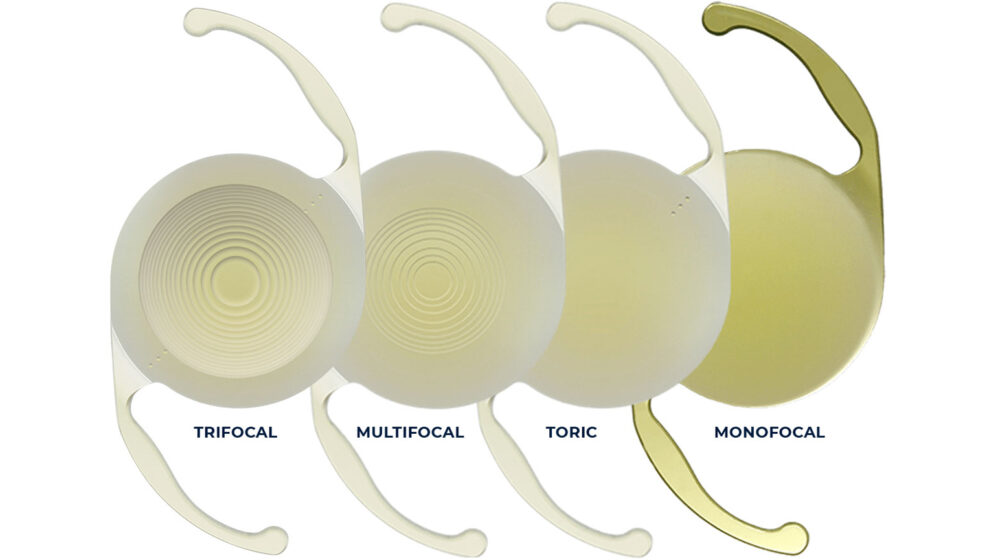
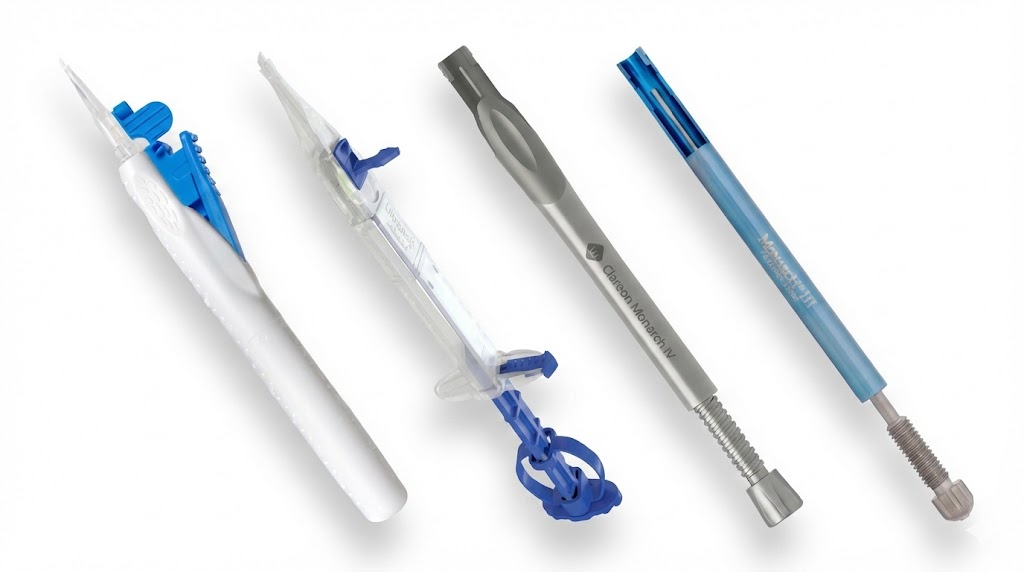
As a Mechanical Design Engineer at Alcon for three years, I managed the lifecycle of next-generation intraocular lens and injector devices. My role primarily focused on human-centered design, rapid prototyping, and validation, ensuring devices met strict FDA standards.
Technical Contributions
1. Rapid Prototyping & DFM
Owned the concept-to-prototype pipeline for next-gen injector devices, from initial brainstorming to manufacture-ready designs.
- Drove weekly iteration cycles of PTC Creo CAD and 3D-printed prototypes to rapidly test and refine concepts.
- Down-selected concepts using Six Sigma tools (Pugh matrix) to converge on the strongest design direction with cross-functional buy-in.
- Advanced the selected design into injection-molded prototypes and validated performance through bench testing and KOL/surgeon evaluations.
- Partnered with manufacturing vendors on DFM analysis and tooling to ensure complex geometries molded consistently at scale.
- Managed CAD data and released mass-production design documentation through PTC Windchill, maintaining version control and traceability from prototype to production.
2. Statistical Analysis & Validation
Moved beyond “pass/fail” testing by implementing statistical quality control using Minitab:
- Defined delivery testing requirements and executed hypothesis testing (e.g., 2-sample % defective tests) to validate design changes against legacy standards.
- Utilized statistical models to analyze failure rates, ensuring the final product met Six Sigma reliability requirements before transfer to manufacturing.
3. Cross-Functional Program Leadership
Served as core design-team member on the intraocular lens platform, acting as the technical link between marketing, legal, tech transfer, optics, manufacturing, and test teams.
- Delivered new CAD design iterations on request to support cross-departmental test builds and evaluations.
- Owned design documentation to maintain compliance with FDA design controls.
4. Human-Centered Design
Organized and led clinical studies with ophthalmic surgeons to refine device ergonomics.
- Translated qualitative feedback from wet labs into quantitative engineering requirements.
- Balanced user needs (tactile feel, ease of use) with strict mechanical tolerances required for the intraocular lens protection.